Leak detection and targeted repairs
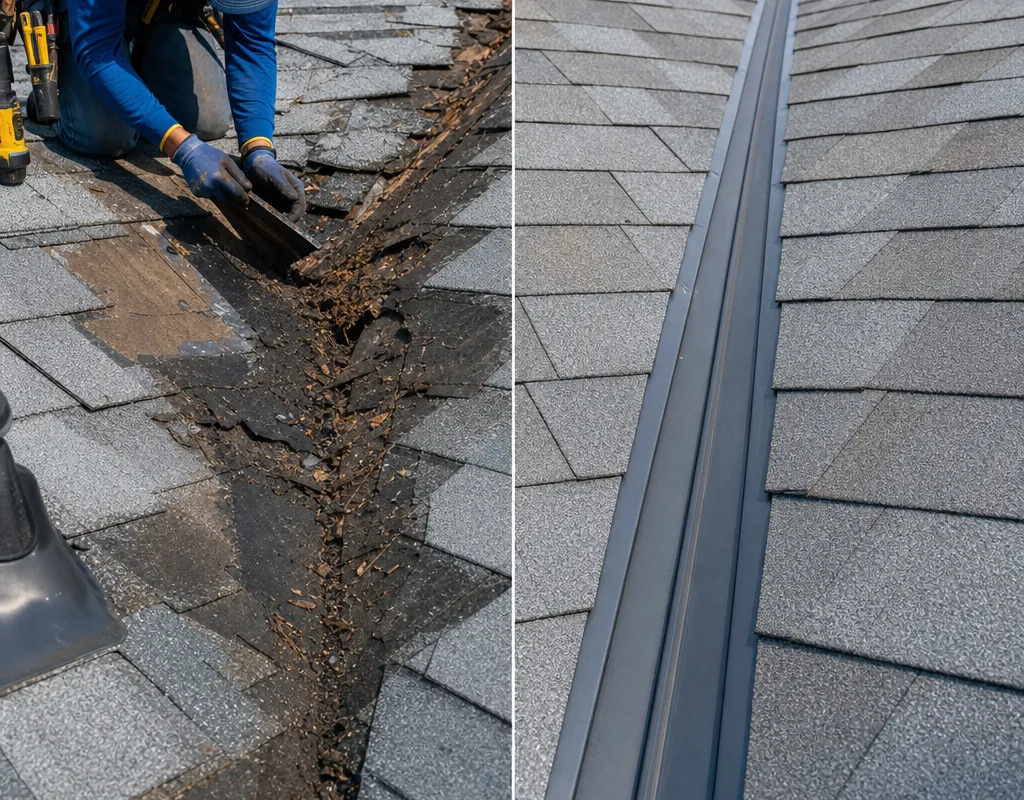
We trace moisture entry points around valleys, transitions, penetrations, and flashing laps. The goal is to fix the source so the same leak does not reappear in a new spot.
Serving Westlake Village, California & surrounding areas
Mon–Sat · 7am–7pm
Roof repair · Westlake Village
Stop leaks fast, protect the structure, and get a clear repair plan after a thorough roof assessment. Our crew focuses on durable fixes, not quick patches that fail in the next rain.
Find the source before fixing the surface
If you are searching for roof repair Westlake Village, you are usually dealing with one of three things: active leaking, wind related damage, or slow wear that is starting to show up around flashings, vents, and valleys. The fix that lasts starts with finding the water path, not just the stain on the ceiling.
In Westlake Village, a lot of roof problems show up after seasonal rain events, when small gaps around penetrations or lifted materials finally let water in. Many homes also have low slope sections, skylights, or complex rooflines where flashing details matter. Our approach is assessment first, then a written scope that spells out what will be repaired, what materials will be used, and what areas of the roof we will test before we wrap.
RoofingWestlakeVillage.com handles roof repair work across Westlake Village (ZIP 91361). If you are comparing contractors, starting with a roofing company in Westlake Village that explains the diagnosis and the repair method in plain language makes it much easier to choose the right next step.
Repair scope
Repairs are matched to the roof system and integrated with surrounding materials so water continues to drain as intended.
We trace moisture entry points around valleys, transitions, penetrations, and flashing laps. The goal is to fix the source so the same leak does not reappear in a new spot.
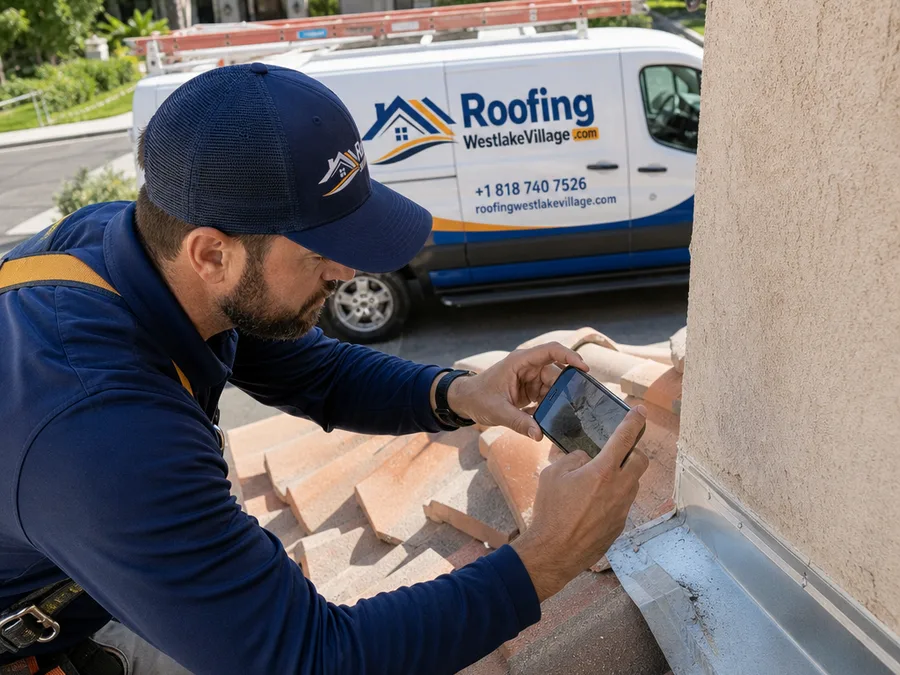
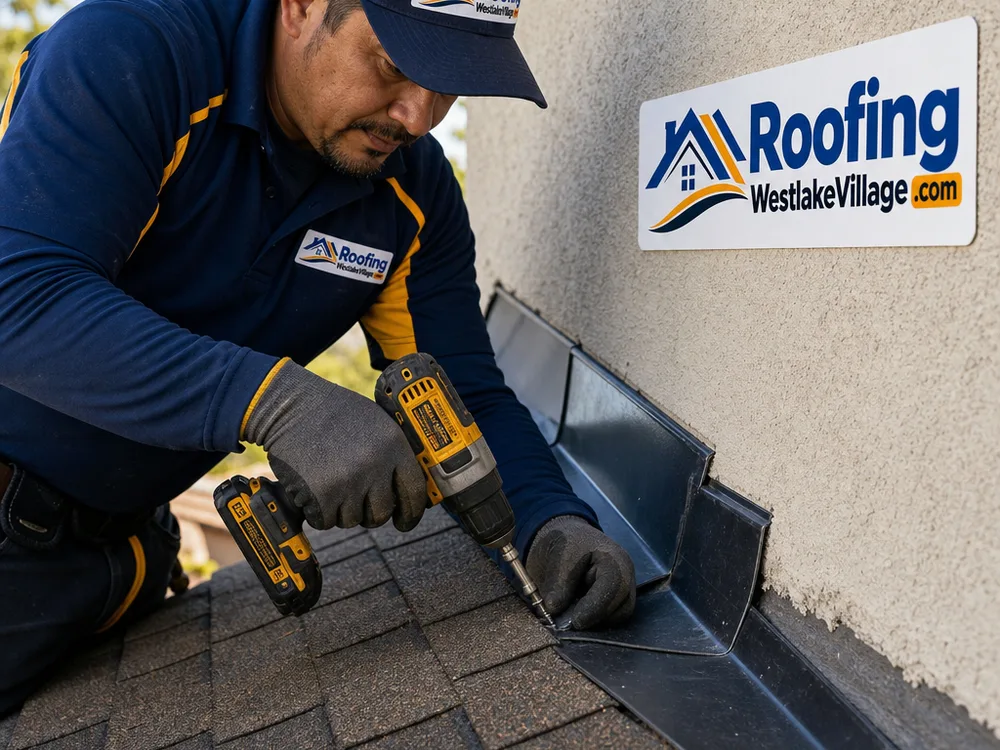
Failed step flashing, counterflashing gaps, and poorly sealed wall transitions cause many persistent leaks. We repair or replace flashing details and re-integrate them with the roofing system.
Wind-lifted shingles, cracked tiles, and slipped pieces can expose underlayment. We replace damaged units and confirm the surrounding field is secure and properly sealed.
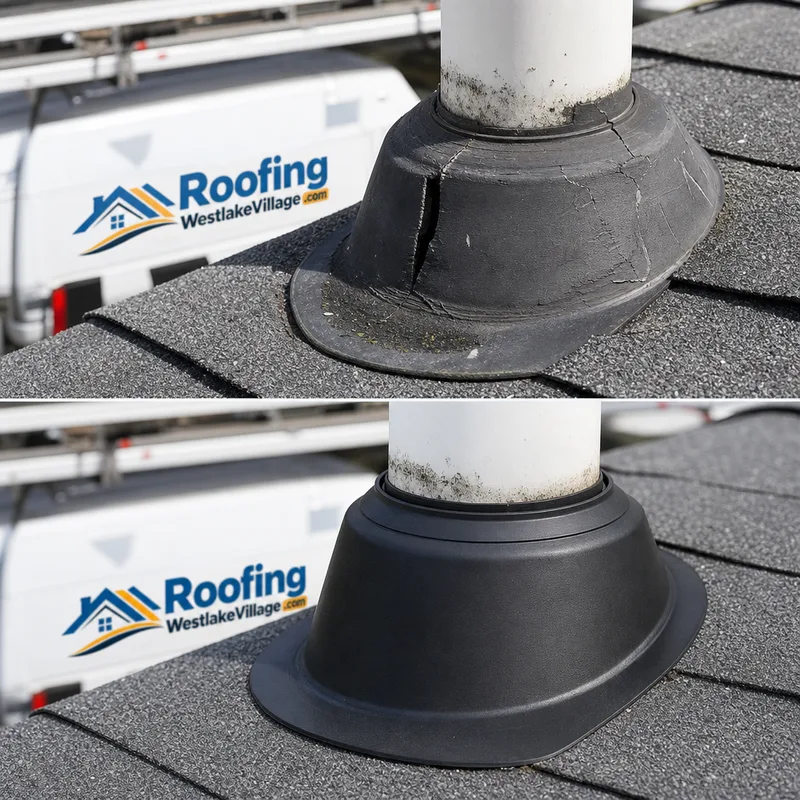
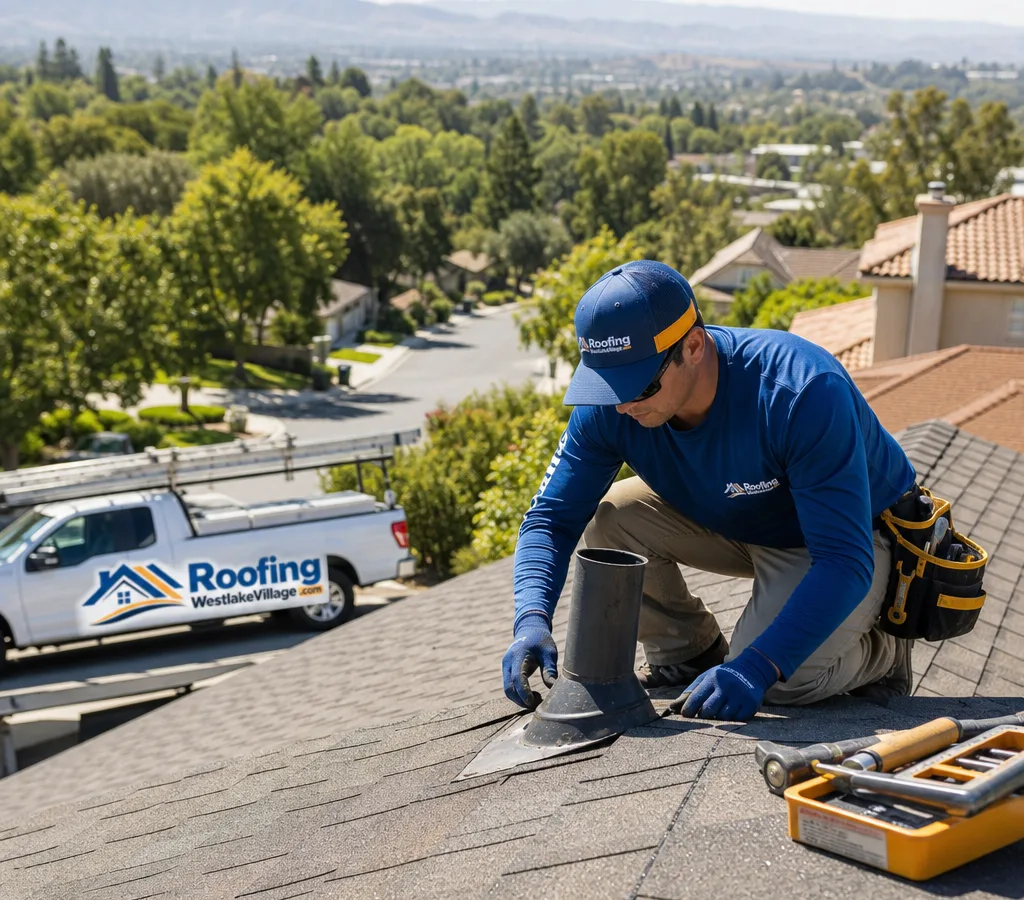
Aging boots, loose collars, and UV-cracked sealants around plumbing vents and mechanical penetrations are frequent culprits. We replace the right components instead of smearing surface caulk.
Valleys concentrate water flow. We address corrosion, open seams, debris buildup, and worn materials, then restore clean drainage paths where the roof planes meet.
After heavy rain or wind, we look for punctures, lifted edges, and impact damage, then stabilize the roof to prevent secondary issues like soaked decking or interior drywall damage.
Assessment-first service
A good repair appointment is more than a quick look from the ground. We assess the roof surface and the vulnerable details where water usually gets in: flashings at walls and chimneys, plumbing vents, skylight curbs, valleys, drip edge, and any prior repair areas.
You will get a clear explanation of what failed and why, along with a repair plan that matches your roof type and the way water moves across it. If a roof has multiple aging points, we will separate “must-fix now” items from preventative repairs so you can make a clean decision.
We also pay attention to access and safety on steep pitches and multi-story sections, because how a roof is accessed affects what repairs are practical and how long they take. In neighborhoods with larger lots and taller rooflines, staging and material handling can be the difference between a tidy, controlled repair and a rushed patch.
If you are dealing with interior staining, we can explain what to watch for after the roof repair, since drywall and insulation often need time to dry before you can tell whether the leak is fully resolved.
Assessment to completion
A disciplined process helps prevent missed damage, unclear scopes, and repairs that do not integrate with the existing roof.
We assess the roof surface and key details, then trace likely water paths (valleys, penetrations, wall transitions). When needed, we check attic areas for moisture patterns that point to the entry location.
You receive a straightforward scope describing the exact repair areas, materials, and method. If there are multiple valid approaches, we explain the tradeoffs so you can choose based on longevity and budget.
We complete the repair with the correct components for your roof type. That means replacing failed flashing or boots, re-fastening and sealing where appropriate, and tying repairs back into the surrounding roofing system.
We verify the repaired areas, check adjacent sections for related issues, and clean up fasteners and debris. You will know what was done and what to monitor next season.
Planning the repair budget
Most roof repair projects in Westlake Village typically run about $350 to $1,500 for smaller fixes like replacing a few shingles or a vent boot, while more involved leak repairs with flashing work or multiple repair points often land around $1,500 to $4,000+.
Your final price depends on roof type (tile, shingle, flat/low-slope), access and height, how many areas are affected, whether decking or underlayment is damaged, and how much removal is needed to rebuild details correctly. Exact pricing is confirmed after an on-roof assessment and a written scope.
Homeowner experiences
“We had a ceiling stain after a heavy rain and assumed it was a skylight issue. The assessment found the leak path at the flashing above the wall line, not the skylight itself. The repair was clean, and we have been through multiple storms with no repeat leaking.”
“They explained what caused the leak, showed photos from the roof, and gave a scope that matched what they repaired. No vague ‘patch and hope’ approach.”
Straight answers before work begins
Your next step
Tell us what you are seeing (leak location, recent weather, roof type if you know it), and we will schedule an assessment and provide a written repair scope with clear next steps.